Information
Landmark: Uros Floating IslandsCity: Puno
Country: Peru
Continent: South America
Uros Floating Islands, Puno, Peru, South America
Overview
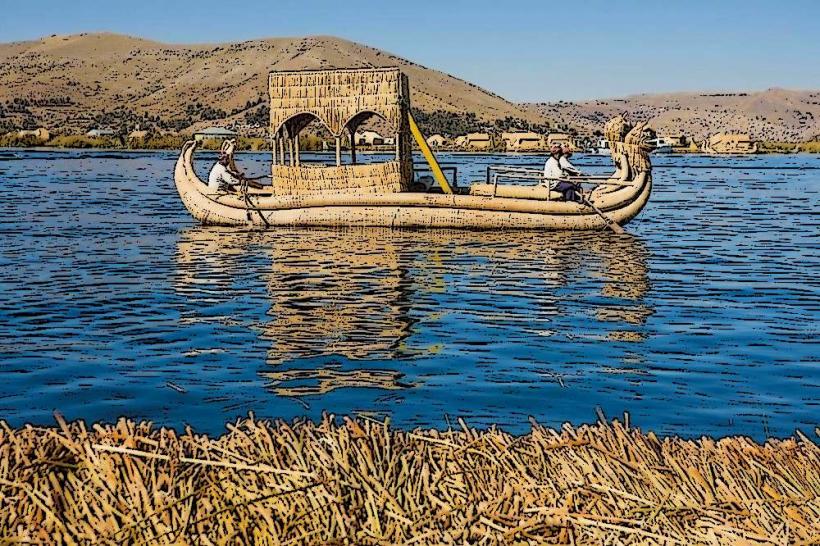
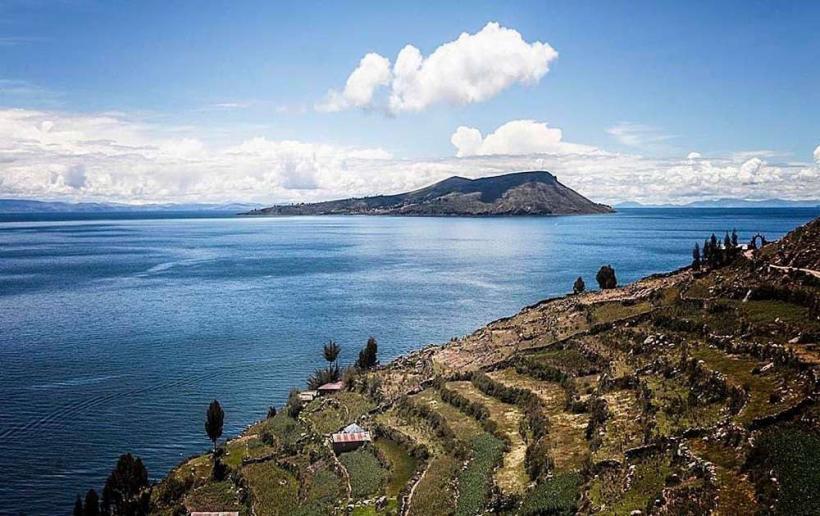
Floating on the blue waters of Lake Titicaca, the Uros Islands stand out as a rare and captivating cultural treasure on the Peru–Bolivia border, while floating atop the lake, these handwoven reed islands shelter the Uros people and reveal the remarkable skill and traditions of one of the region’s oldest communities, generally The floating islands are built entirely from totora reeds, thick stalks that sway in the lake’s shallow water, and they’ve become a defining symbol of life on Lake Titicaca, to boot on Lake Titicaca, just off the shore of Puno in Peru, the Uros people-an indigenous community with roots stretching back before the Inca-live on floating islands they build by hand.They weave thick, springy mats from totora reeds that grow in the lake’s shallows, shaping entire villages that rest gently on the water, alongside their reed boats and centuries-ancient traditions, consequently the mats are secured to the lakebed so they don’t drift away, and the islands get fresh layers of reeds every few months when the historic ones turn soft and break apart.The Uros keep their floating islands from sinking by laying fresh reeds on top, the green stalks still damp from the lake, subsequently they also weave the same totora reeds into their homes, boats, and countless everyday things.The Uros trek the lake on balsas-reed boats that glide quietly over the water’s surface, in addition their lives center on the totora reeds, which they weave into fishing nets, boats, and even the very islands they live on.Fishing sustains much of their economy, while modest garden plots yield potatoes, quinoa, and a few hardy vegetables, in addition they speak their own language, craft intricate goods by hand, and hold brisk to traditions passed down for generations.The Uros people speak Aymara and Quechua, the native tongues of the Andes, and their floating islands rest just 5 or 6 kilometers from Puno on the glittering waters of Lake Titicaca; most travelers hop on a half-day boat tour from the port or through a local agency, then step ashore to warm greetings, stories of history and daily life, and demonstrations of how the islands are woven from golden totora reeds, before browsing baskets, hats, and radiant textiles made by hand, also many visitors pick up these items as souvenirs-perhaps a woven reed trinket-while exploring the Uros Islands and watching locals craft and care for their floating homes from totora reeds.Some Uros still show how they build the classical reed boats, their hands weaving fresh green stalks to keep the islands strong and afloat, also step inside reed houses where families cook, talk, and sleep under the scent of sun‑warmed straw.The homes are modest and made entirely from reeds, their pale gold walls rustling softly in the wind, giving visitors a glimpse into the Uros’ self-sufficient way of life, furthermore reed boats, or balsas, glide across the water each day as they’re used for fishing and getting from destination to region, more or less At times, the Uros welcome guests with traditional songs and dances that share stories from their history, furthermore the islands also brim with handwoven textiles, baskets, hats, and tiny totora reed boat models-perfect pieces of their craft to take home.These handmade crafts make memorable souvenirs-picture a brightly woven reed bracelet-and each purchase helps support the Uros community, in addition one of the best parts of visiting the islands is meeting the locals and seeing firsthand how they live.Guests are greeted with genuine warmth, and some are even invited to try their hand at reed weaving or cast a fishing line into the clear water, therefore but the Uros now face serious challenges-shrinking reed beds and a lake increasingly clouded with pollution.When Lake Titicaca’s water rises or falls, the Uros’ reed islands shift underfoot, and the plants themselves strain under climate change and runoff from nearby farms, to boot for centuries, the Uros have kept their traditions alive, but modern tourism and outside influences now press hard against their cultural identity.The Uros still keep their traditional skills alive, teaching each novel generation how to weave reeds into homes and boats, simultaneously if you visit between May and October, expect crisp blue skies and warm days on Lake Titicaca.From November to April, rains may surprise you, but the islands glow green and fresh, after that these floating islands stand as proof of human creativity and resilience in the face of a harsh environment.A trip to the Uros Islands is a rare chance to step into a way of life that’s been carried on for centuries, consequently here, you can share stories with the indigenous people of the Andes, listen to the soft rustle of reeds underfoot, and learn directly about their customs, history, and sustainable traditions, maybe With Lake Titicaca’s deep blue stretching in every direction and the remarkable floating islands beneath you, it’s a setting you won’t want to miss.
Author: Tourist Landmarks
Date: 2025-09-13